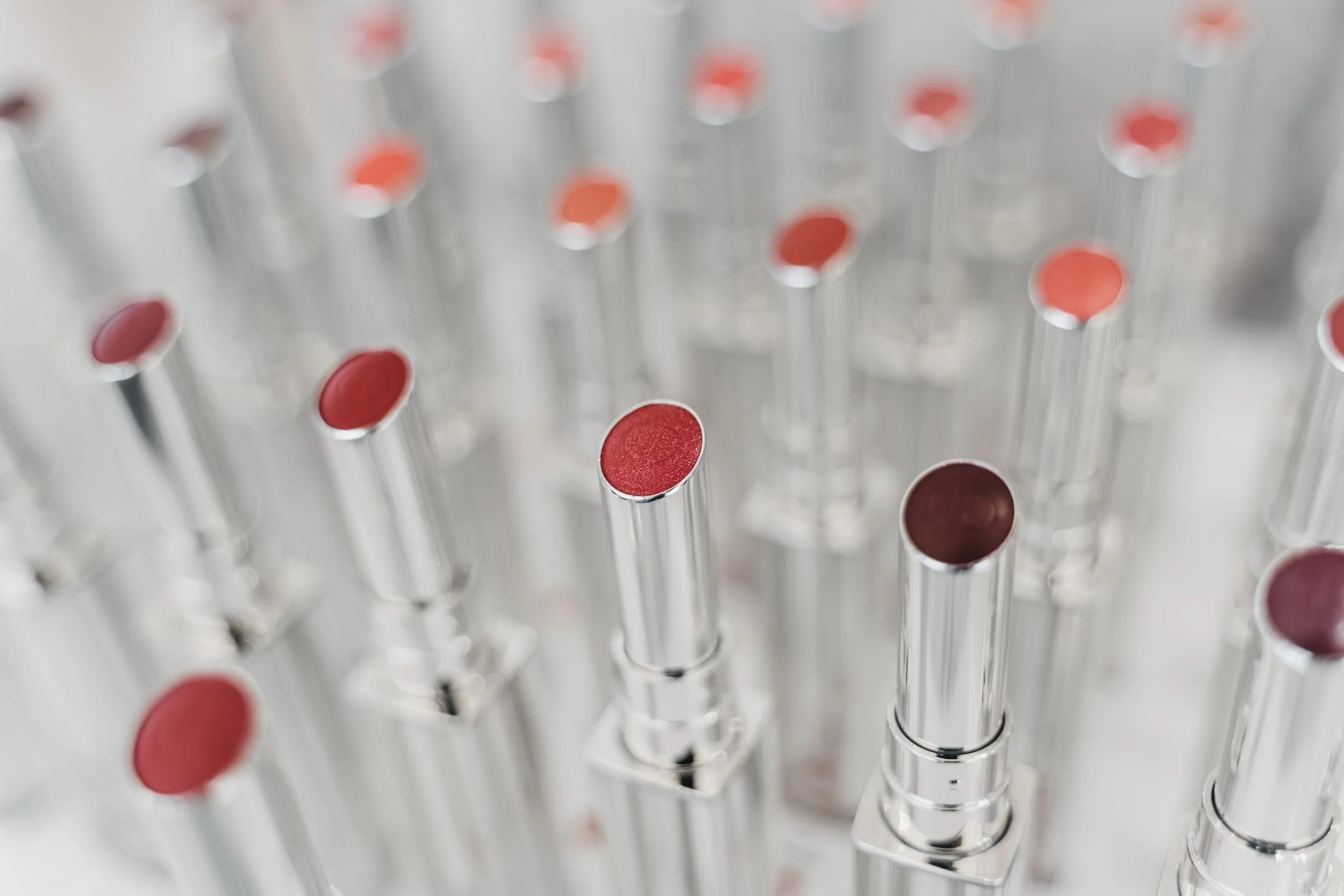
No matter where you turn, whether a big box retailer or shopping online, the words natural, organic and cruelty-free are everywhere, especially when it comes to shopping for beauty products.
And while on the outside, those claims can seem authentic, there is an ugly truth about the business of beauty: there is very little regulation of what claims are made on product packaging, and how those claims impact you.
Recent events like the class action lawsuit filed against Sephora are an indication that it is no longer acceptable to market products as clean, when they contain man-made, synthetic chemicals that can cause more harm than good.
In Sephora’s case, they say that everyone has a different definition of clean when it comes to beauty products, and they don’t think they should be penalized for it.
At Liplove, however, I strongly disagree, and have created what I call a new standard of clean beauty, that I want to share with you.
Clean beauty without compromise
When it comes to defining what products are defined as clean, the best place to start is the panel of ingredients, not the front facing outer label.
The first 2-3 ingredients are typically about 80% of the formula, so if the product contains water as its first ingredient, that is what you are mostly using.
Beyond that, it requires a basic understanding of chemistry.
Cosmetics that contain water require preservatives to prevent their microbial contamination with the growth of bacteria, mold or yeast.
And all preservatives are synthetic, man-made compounds that can create imbalances in the bodily function and hormones.
Taking that into consideration, I personally commit to waterless beauty products at Liplove. This not only allows me to formulate with strict standards, but also makes for a purer product, since it isn’t watered down - literally and figuratively.
Just because it’s a major name brand, doesn’t mean it’s safe to use
Makeup brands are known to hide chemicals like PFAs in their formulas, and high exposure to these chemicals can lead to thyroid issues, birth defects and even cancer. PFAs are known as “forever chemicals” because they don’t naturally break down in the body.
A recent study testing hundreds of well-known makeup brands, including MAC Cosmetics, Urban Decay, L’Oreal and NARS, found that more than half the brands tested in over 8 categories (foundation, lipstick, eye products, mascaras, and others) contained PFAs and 88% of those products failed to disclose the use of PFAs on their labels. And while some states have enacted legislation to ban the use of PFAs since then, there is still a long way to go.

One of the main questions I get at Liplove is if our makeup is long lasting, and I always explain that it isn’t. The reason is because many of the long-wear products, including lipstick, mascara and foundation that hold for 12 or 24 hours are able to do so because of PFAs and other toxic chemicals that bind to the skin to create the long-wear effect.
How to choose the best nontoxic beauty products for you
The best thing you can do to make sure that toxins stay out of your beauty products is to do your research.
At Liplove, we have a variety of resources to understand how to read product labels and toxins to look out for, and I will list them below, but I encourage you to use that only as a starting point and make it your mission to educate yourself - for the sake of your health and family’s health.
Other sites recommend apps that you can use to scan product labels, but the problem with this is that many of the brands we have come to trust (namely because of their big advertising budgets and commercialization), are not what they appear to be. Along with that, beauty is a billion dollar industry, and many of the largest corporations have vested interests in making sure their products appear to be safe. So the best method, from my experience, is to do your own research and gain your own understanding.
And if you’re a woman of color, beware: we are disproportionately exposed to toxic chemicals in our beauty and personal care products. Research in the American Journal of Obstetrics and Gynecology found that we often have higher levels of beauty-product related chemicals in our bodies - chemicals that are linked to cancer, reproductive and developmental harm.
Resources for reading beauty product labels
As promised, here are a few resources that take the mystery out of reading product labels and can help you on your clean beauty journey:
Top 5 Ingredients to Avoid In Beauty Products
7 Ingredients to Beware of That Might Be Lurking In Your Personal Care Products
The Best Beauty Ingredients to Get Glowing Skin Naturally
And of course, I’m always here to help! You may reach me in the comments below as I’m happy to answer questions or share more about my own personal journey to eliminating toxic beauty and personal care products in my own home and life over the last 5 years.